
Pet grief is real. It’s deep. And for many of us, it becomes one of the hardest emotional journeys we ever walk.
Losing a pet is unlike any other kind of loss, and I never truly understood the depth of it until it happened to me. Kemper wasn’t “just my dog.” He was woven into my days, my routines, and my quiet moments. He was a constant presence, a gentle shadow, and a source of unconditional love that asked for nothing except to be near.
This is a personal reflection on grief, love and the emotional journey that comes with losing a beloved animal – shared in the hope that it brings comfort to anyone walking a similar path.

🌿 Why Pet Grief Hurts So Much
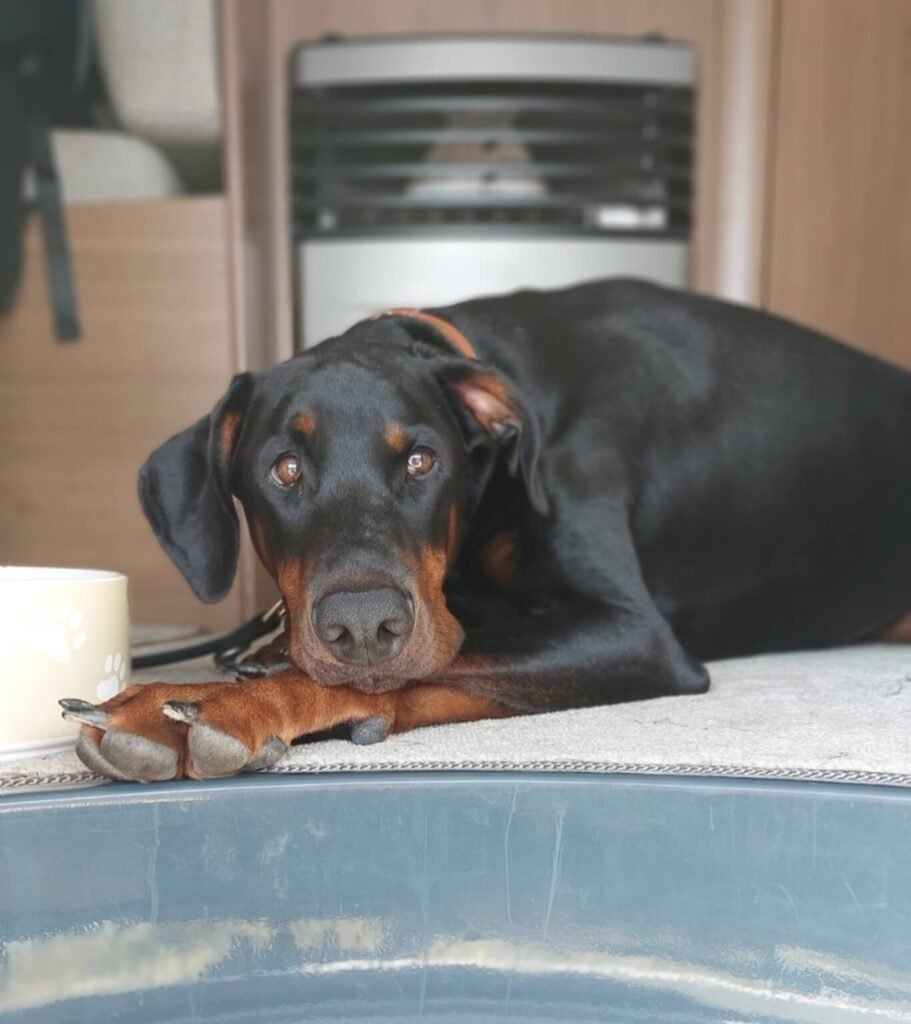
Kemper had this way of looking at me that felt as though he understood far more than he should. Pets do that — they anchor us without ever trying. They become part of our emotional landscape, our comfort system, our daily rhythm. They don’t judge, they don’t hold grudges – they simply are with us.
When he wasn’t there anymore, it wasn’t just the silence that hurt. Pet grief often arrives in waves, and it can feel overwhelming when those waves hit unexpectedly. It was the absence of the routine — the sound of paws on the floor, the weight of him settling beside me, the way he’d follow me from room to room as though we were tethered.
Grieving a pet means grieving:
- a companion
- a routine
- a source of comfort and calm
- unconditional love
- a part of our identity and daily life
It’s not “just a dog.”
It’s family. A presence. A rhythm in our days.
And when that rhythm stops, everything feels out of place.
🌿 The Grief Nobody Sees
One of the hardest parts of pet grief is how invisible it can feel to others. Many people feel they have to hide how devastated they are after a pet passes. But grief doesn’t measure itself by species – it measures itself by connection.
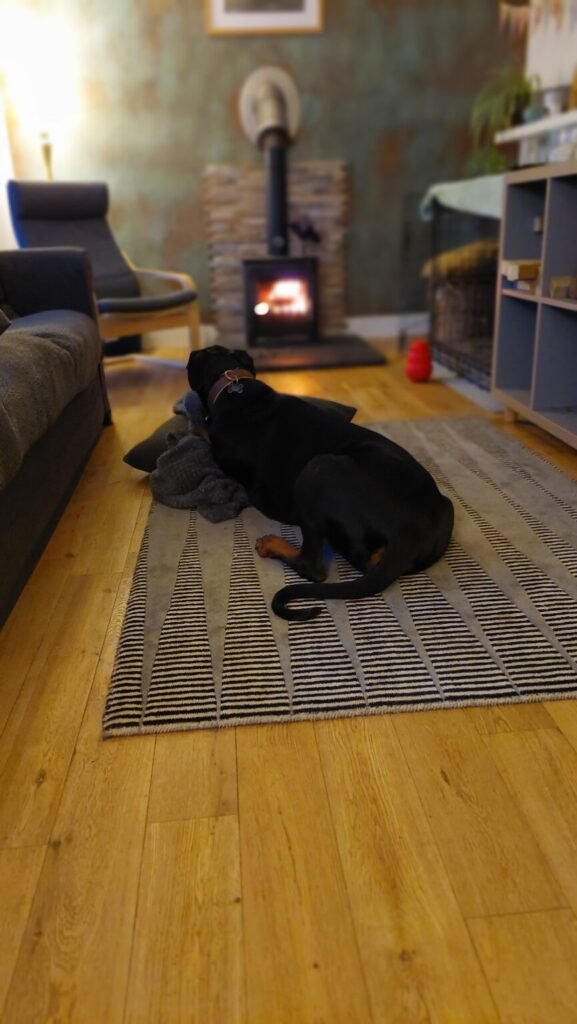
When Kemper’s things were still around the house — his blanket, his bowl, the spot he always curled up in — it created this strange mix of comfort and heartbreak. My brain would still expect him to appear, to lift his head, to come over for reassurance like he always did.
You may notice:
- waves of sadness that catch you unexpectedly
- guilt about decisions, timing, or “what if” moments
- difficulty sleeping
- feeling disconnected from routine
- feeling unsettled or unable to relax
- a heavy sense of emptiness around the house
All of this is normal.
This is your heart processing love that has nowhere to land right now.
🌿 What Helped Me, And What Might Help You Too
As I move through my own pet grief, I realise there is no timetable for healing. Everyone’s journey is different, but here are gentle things that supported me:
✅ Letting the emotions be what they are
Some days hurt deeply. Others feel softer. Neither is wrong.
✅ Creating small rituals
A favourite photo, a candle, a walk we used to take — these acts ground the love in something tangible.
✅ Talking about him
Sharing stories about Kemper keeps him present in a way that feels comforting rather than painful.
✅ Relaxation and hypnotherapy
Not as a way to “get over it,” but as a way to calm the nervous system when emotions feel overwhelming.
Gentle techniques like guided visualisation, breathing, and grounding can help calm the nervous system when emotions feel intense.
If you’re grieving your own pet, these kinds of approaches can make the days feel a little more manageable.
🌿 A Little About the Brain and Grief
Grief isn’t just an emotion — it’s a neurological process.
When we lose a pet who was part of our daily rhythm, the amygdala – the part of the brain responsible for emotions and instincts – becomes highly activated. It interprets the emotional pain as threat and sends us into a heightened state.
Meanwhile, the hippocampus — the memory centre — struggles to reconcile the difference between routine (“they should be here”) and reality (“they’re not here anymore”)
This mismatch creates the heart breaking ache and the moments where your brain “forgets” and then remembers again.
Understanding this doesn’t take away the pain, but it can help us be gentler with ourselves.
🌿 Moving Forward Without Letting Go
Healing after losing Kemper doesn’t mean forgetting him. It is learning to carry the love differently.
He’s still part of my days — just in a quieter, softer way now. Your pet stays part of your story – in memories, in habits, in small moments where you feel them with you.
Grief asks us to move forward, not to move on.
It asks us to make space for the love while letting the sharp edges soften over time.
If you’re reading this because you’re grieving too, I hope you know this:
You’re not alone.
Your feelings make sense.
Your grief is worthy.
And it’s okay to take your time.
🌿 Moving Through Pet Grief at Your Own Pace
This is my personal experience and the type of healing I support through my work at Thistle Green Hypnotherapy. Everyone grieves differently, and there is no right or wrong way to feel.
If you’re finding grief overwhelming, support is available – gentle approaches like online hypnotherapy can help you feel calmer, steadier, and more supported.
For additional support around pet loss, the Blue Cross offers a helpful pet bereavement service:
https://www.bluecross.org.uk/pet-bereavement-support